Services

The work of making an operation legible.

Every project is different — but it always starts the same way: we listen. We talk to the people who own and use the systems, find where sense gets lost, and build something that holds.

How we start

We don't parachute in with a clipboard. We start with the people.

We interview the people who actually own and use each system — leadership, managers, and the team executing on every shift. The goal is to understand the pain holistically: where a system genuinely supports the work, and where it quietly creates more of it.

Only then do we map what's really happening — and propose what to change first.

Start a conversation
№ 01 · listenEmma listening to a team member at a workshop table
ask the people who use it ✓
What we do

Five ways to make it make sense.

01
Discovery

Discovery & diagnosis

Interview-led from the start. We talk to everyone who touches a system — owners, GMs, chefs, servers, line — and map how information actually moves through the operation. You get a clear, prioritized read of what's working, what's quietly broken, and where the pain is really coming from.

Stakeholder interviewsSystems mappingPain-point diagnosisPrioritized findings
02
Systems

System cleanups & buildouts

The unglamorous, high-impact work of getting your systems in order: migrations, data remediation, custom reporting, RFPs and vendor management, and clearing out old architecture to make way for what's next — with the team training and empowerment to actually own it.

MigrationsData remediationCustom reportingRFPs & vendor managementTeam training
03
Openings

Openings & turnarounds

Opening a new restaurant, or turning around one that's slipping. We build the operational backbone — staffing, training, flow and the numbers that matter — so it runs on systems instead of heroics, with or without us in the building.

Pre-open buildTraining programs90-day stabilizationLeadership coaching
04
Training

Seminars & training

Workshops and training built for the whole org — from leadership teams setting the standard to the executors living it every shift. Practical, specific, and tuned to your operation, so the room leaves knowing exactly what changes on Monday.

Leadership workshopsTeam trainingTrain-the-trainerKeynotes & talks
05
Platform

Platform translation

For operator-facing tech platforms: we're the translator between what you've built — the product, the UI, the roadmap — and how it actually needs to work on a real floor. We bring the operator's reality into your product decisions so what you ship matches the rush.

Product ↔ operationsUX for the floorOperator researchFeature validation
How it works

Four steps, one idea: notice it, then fix it.

the answer's usually already there →

Step 01 → Listen

Listen

We interview the people who own and use the systems — leadership to line — and hear where it hurts.

Step 02 → Map

Map

How information actually moves: where the system supports the work, and where it causes more of the pain.

Step 03 → Build

Build

We design the fix together — plain, practical, and tested against a real service.

Step 04 → Hand off

Hand off

Your team owns it. The operation makes sense without us standing in the building.

Who it's for

If it runs on a service — or builds for one — it runs on systems.

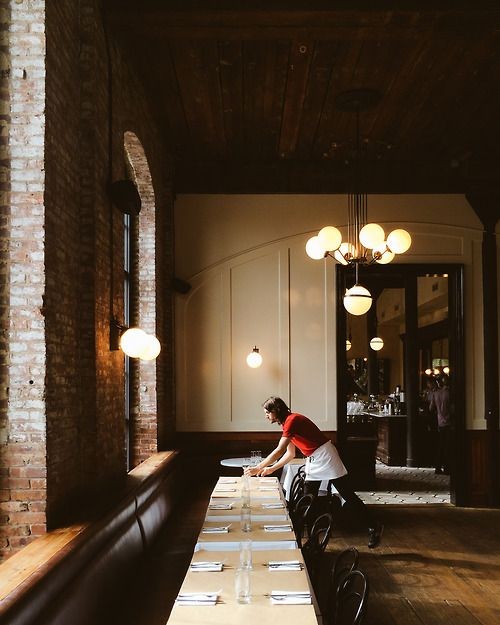
A warm independent dining room

Independent restaurants

Owner-operators ready to step off the line and out of every decision — without the wheels coming off.

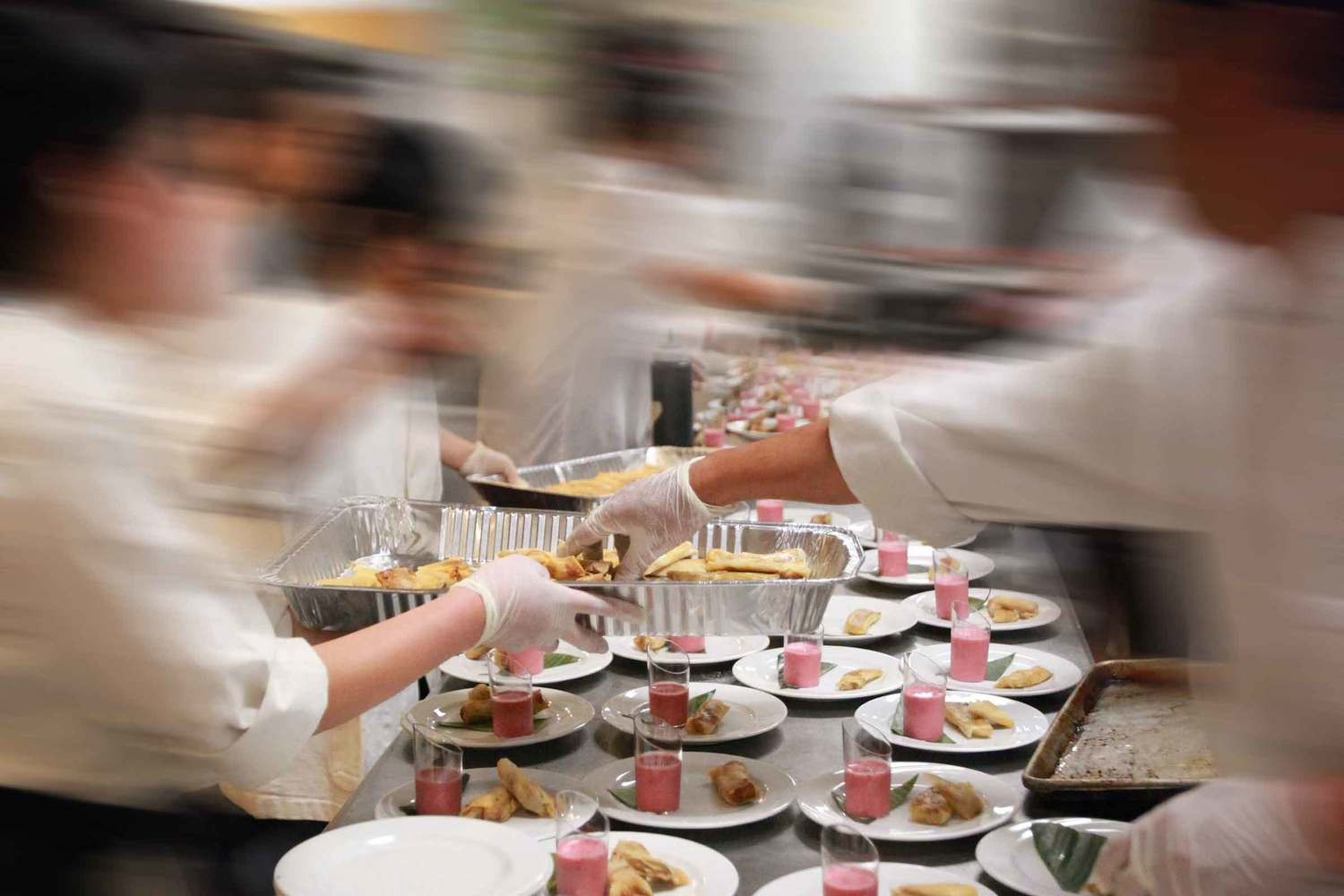
A multi-unit service team on the line

Multi-unit groups

Two locations becoming five, where what lived in one person's head now has to live in a system.

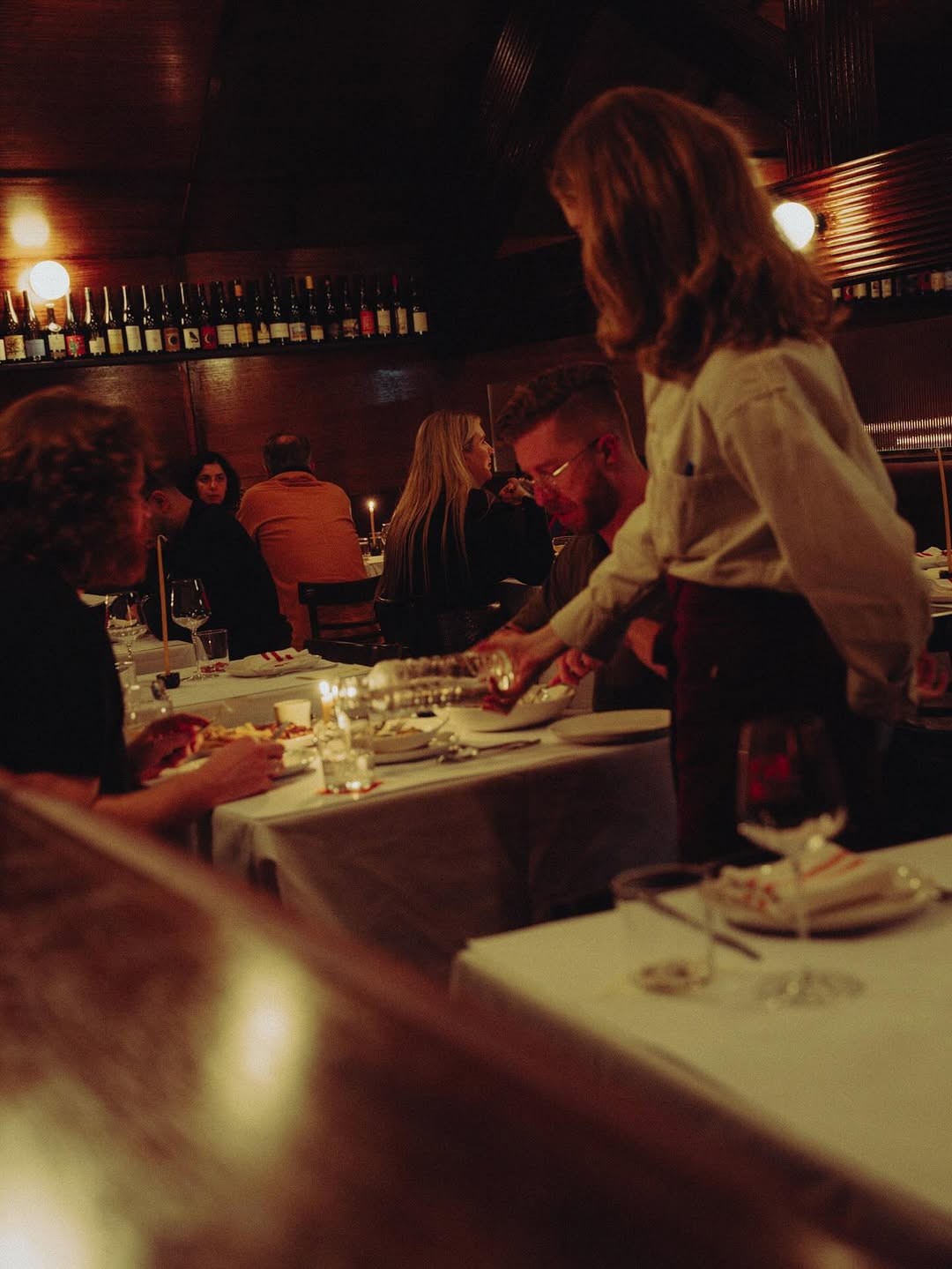
A busy hospitality floor

Hospitality teams

Hotels, bars, cafés and venues that want service to feel effortless because the back end is anything but.

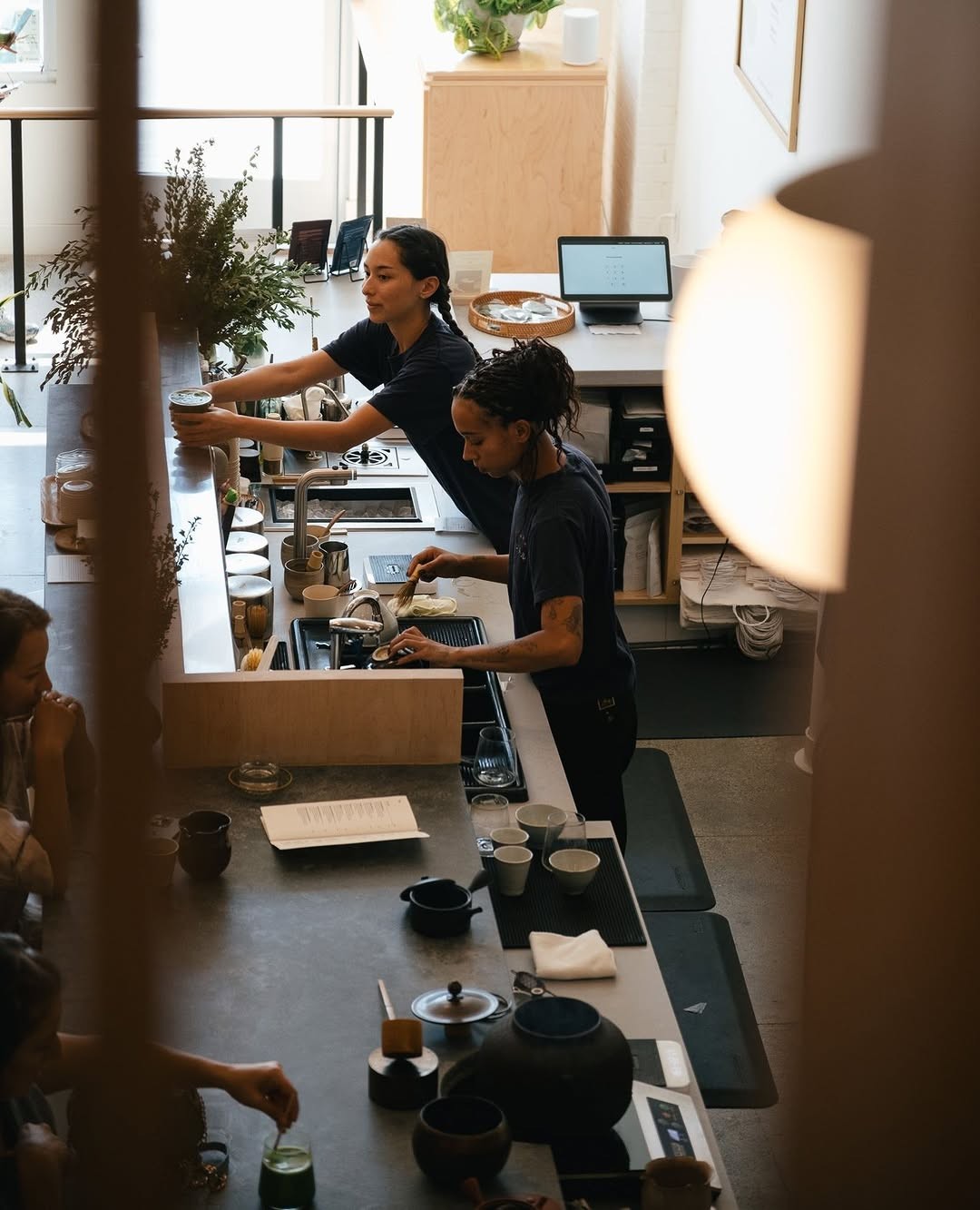
An operator using a platform on the floor

Operator-facing tech platforms

Product teams who need a translator between what they're building and how it has to run in a real service.

Not sure where it's breaking? That's the first thing we'll find.

Start a conversation